
The Ecology Center at Alston Farm
A living model for applied learning and community engagement
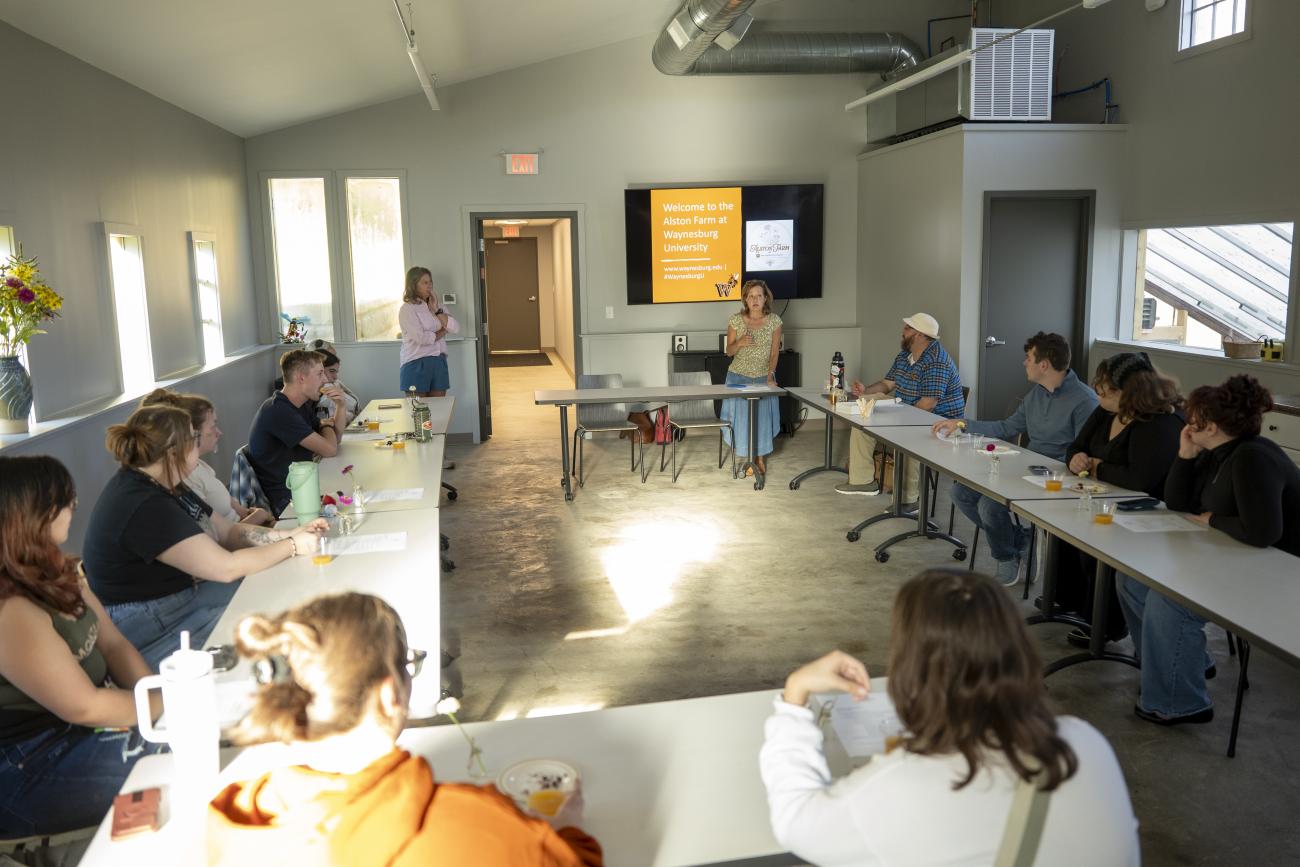
Waynesburg University has been gifted Alston Farm, a primarily forested property located just minutes from campus.
This extraordinary opportunity exists because of the generosity and vision of the Alston family, who long believed the land could serve a greater purpose. Their early conversations with local partners about conservation and education, such as establishing a native pollinator habitat on the property, sparked the idea that the farm could become a resource for students, faculty and the wider community.
In 2023, the Alstons formally donated the land to the University, affirming their hope that it would advance environmental education and community stewardship for generations to come. They have remained deeply engaged in the farm’s early development, returning to the property in subsequent summers and participating in community discussions that helped shape this strategic vision.
A foundation for learning, stewardship and service
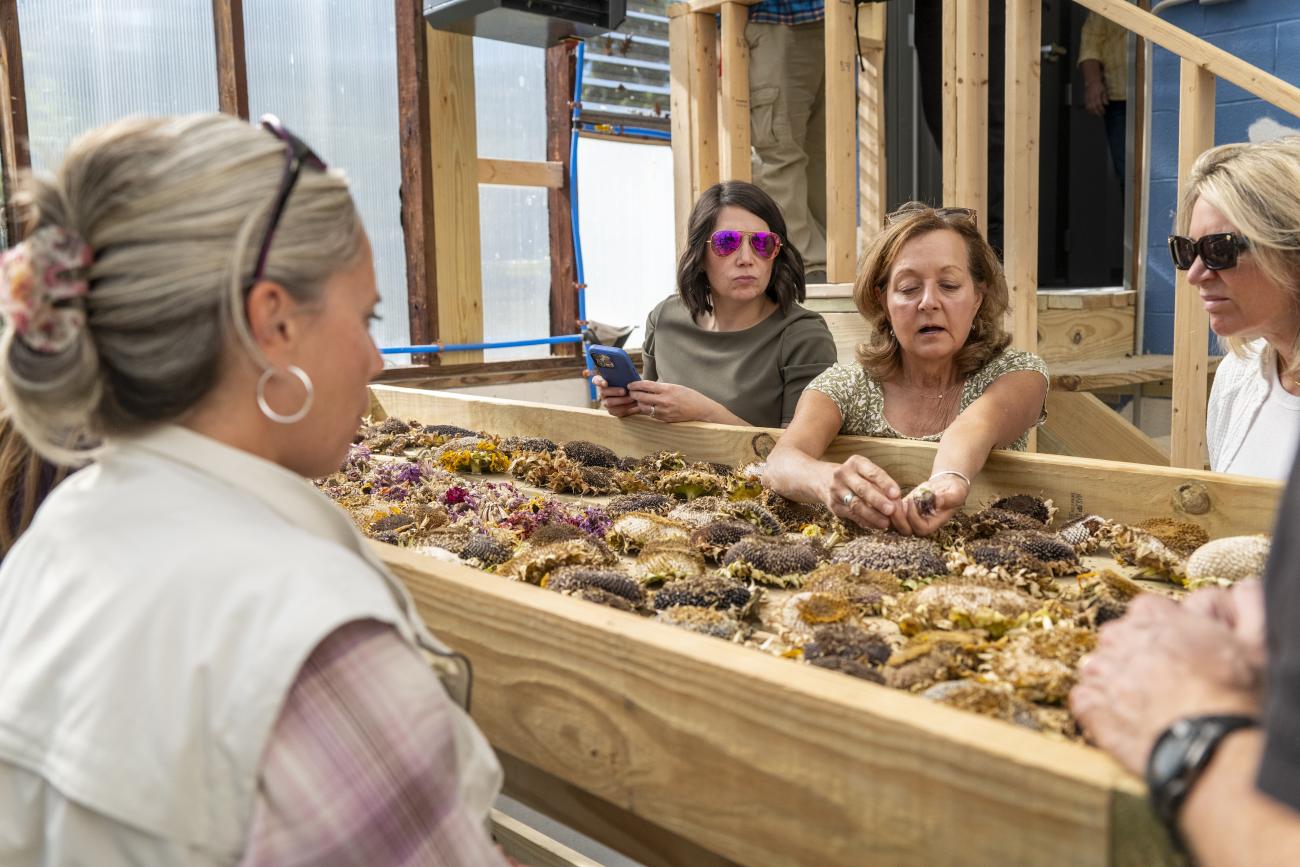
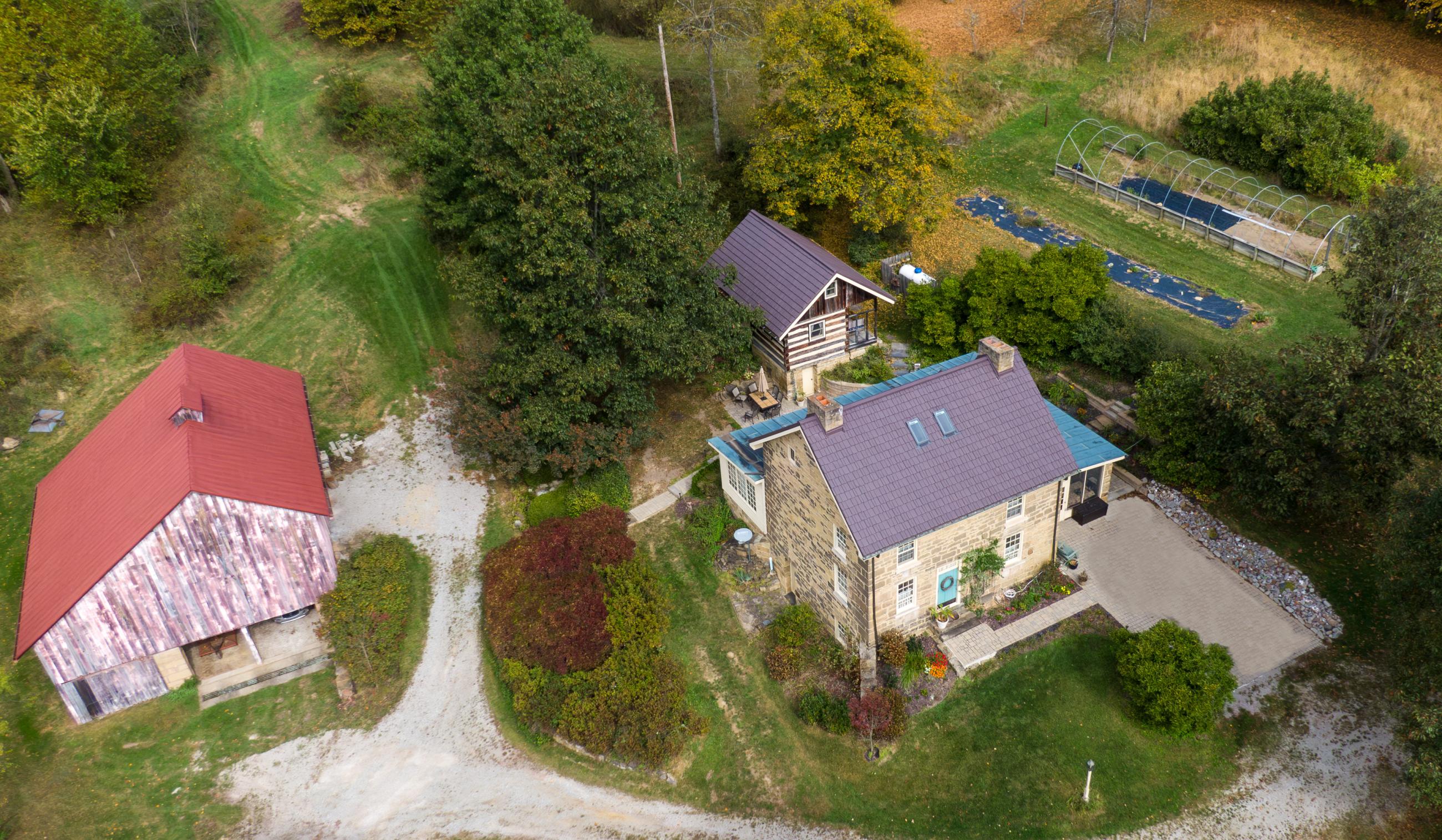
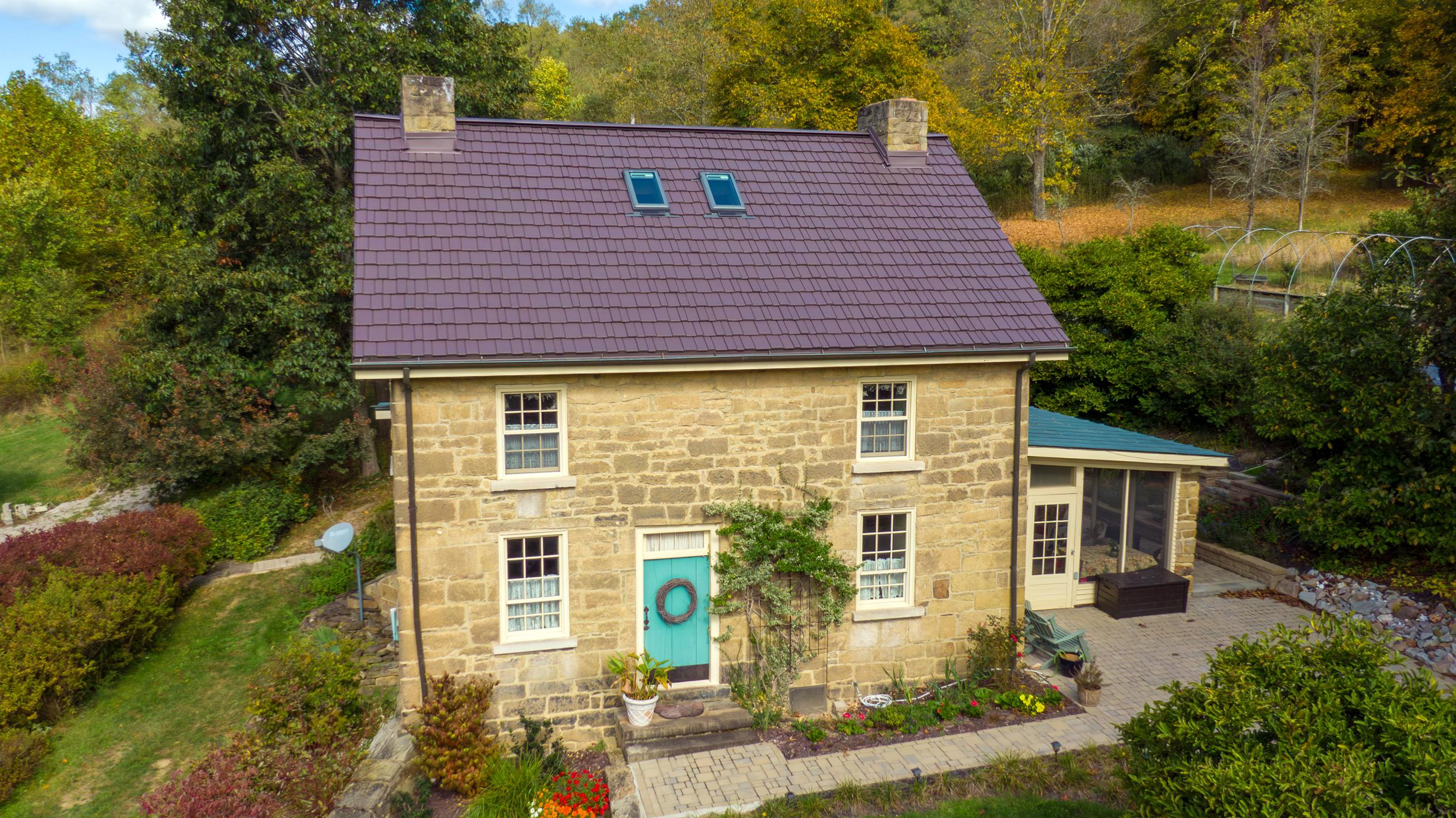
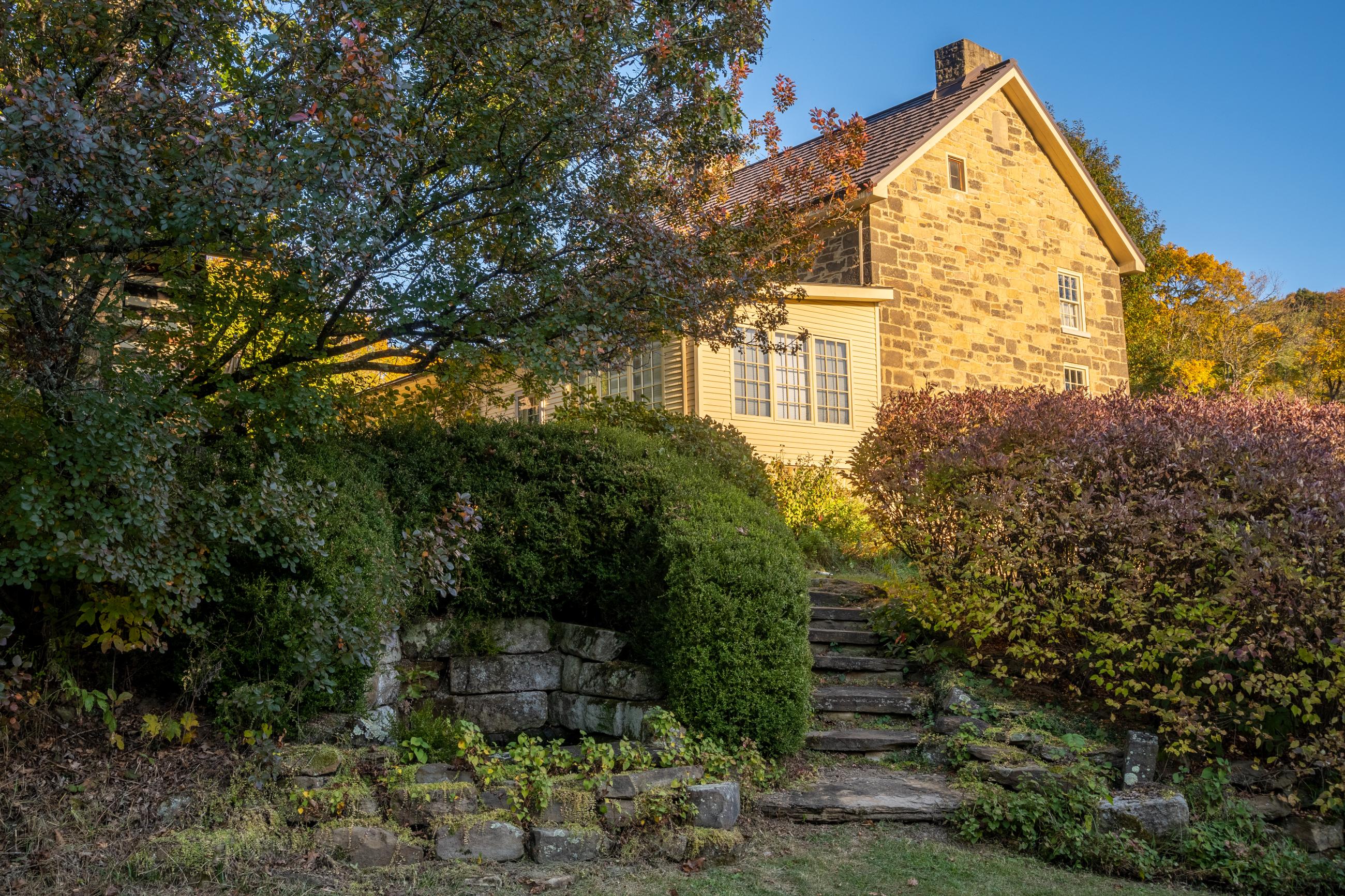
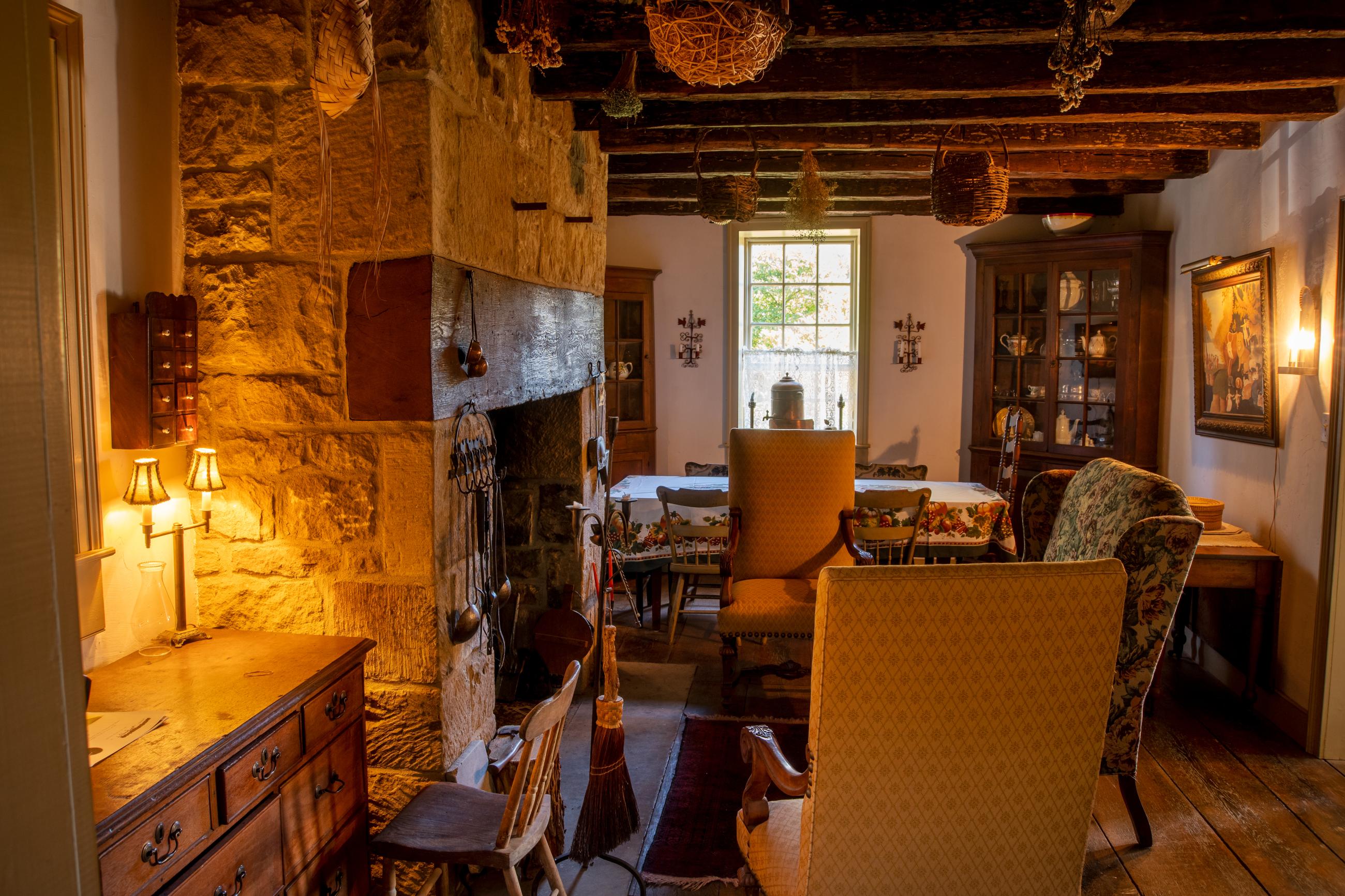
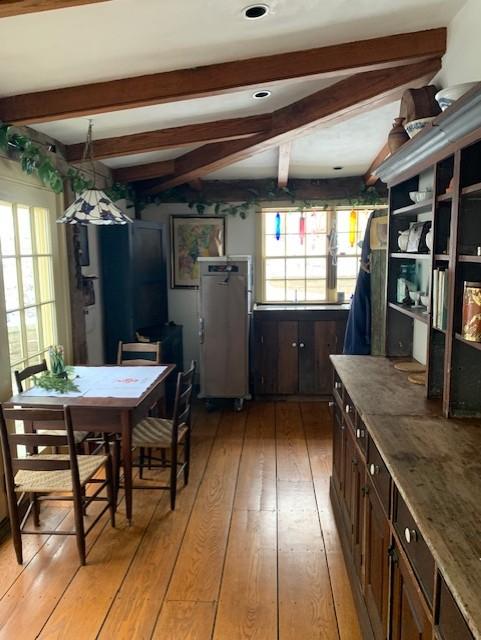
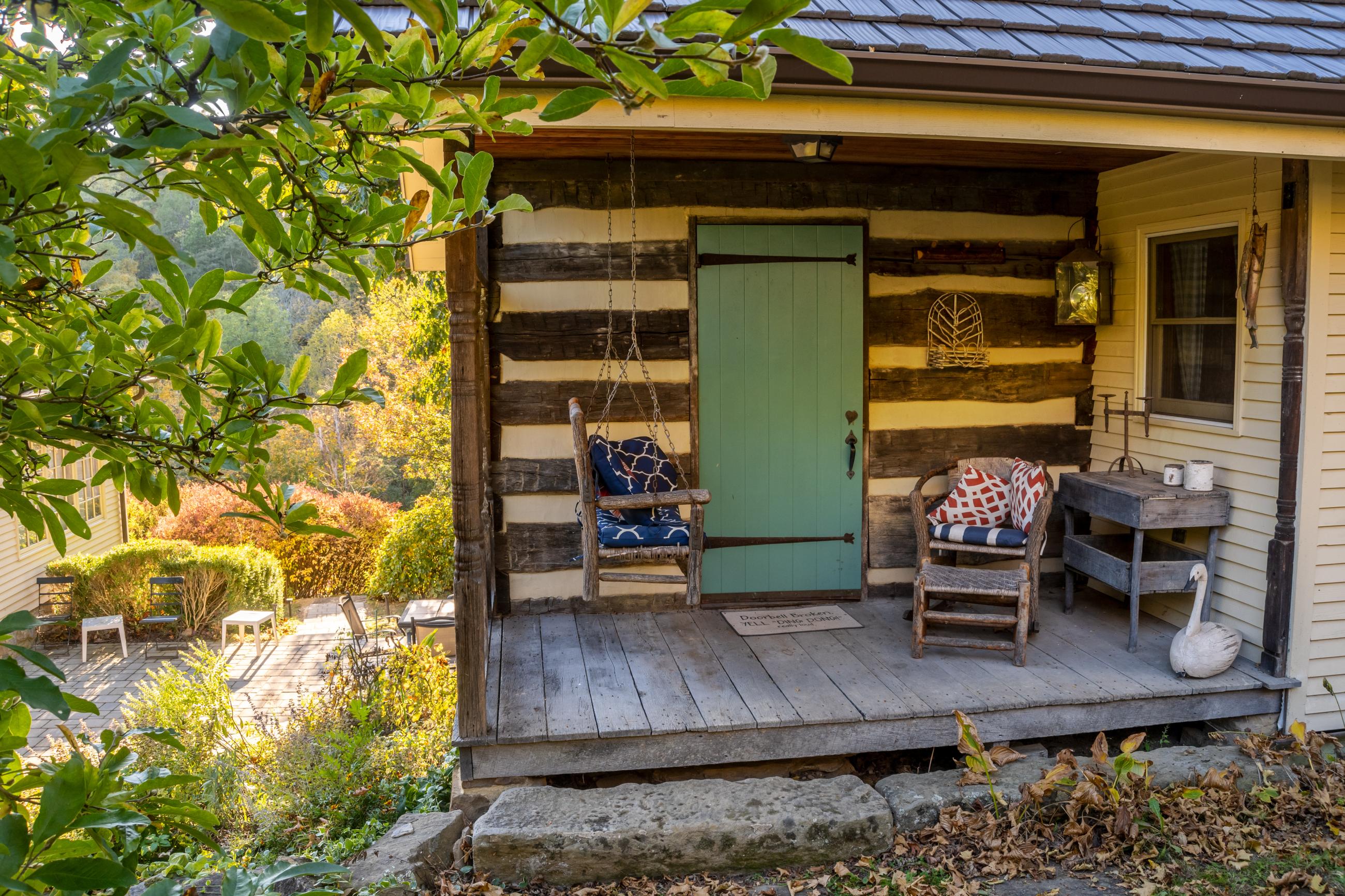
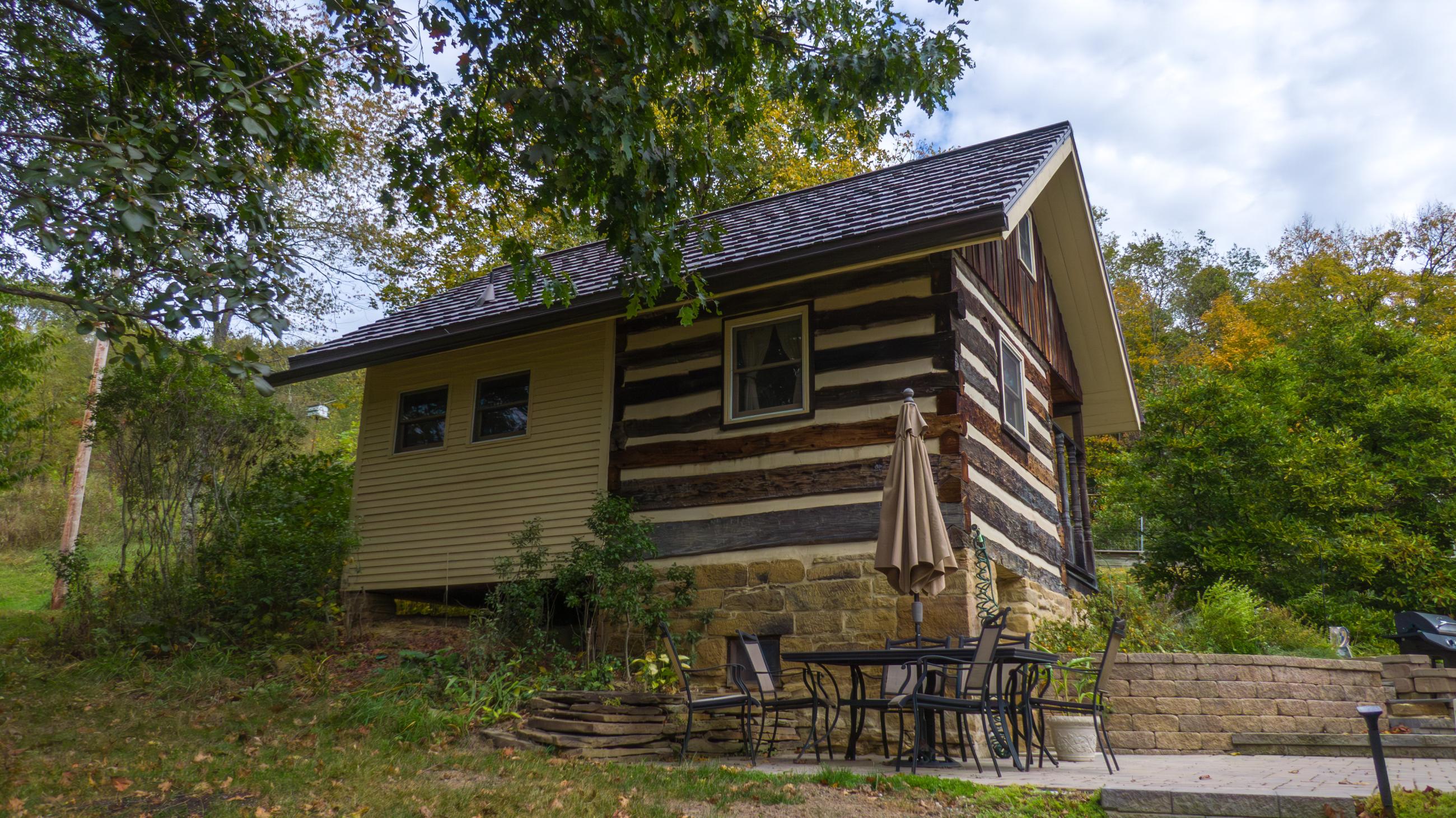
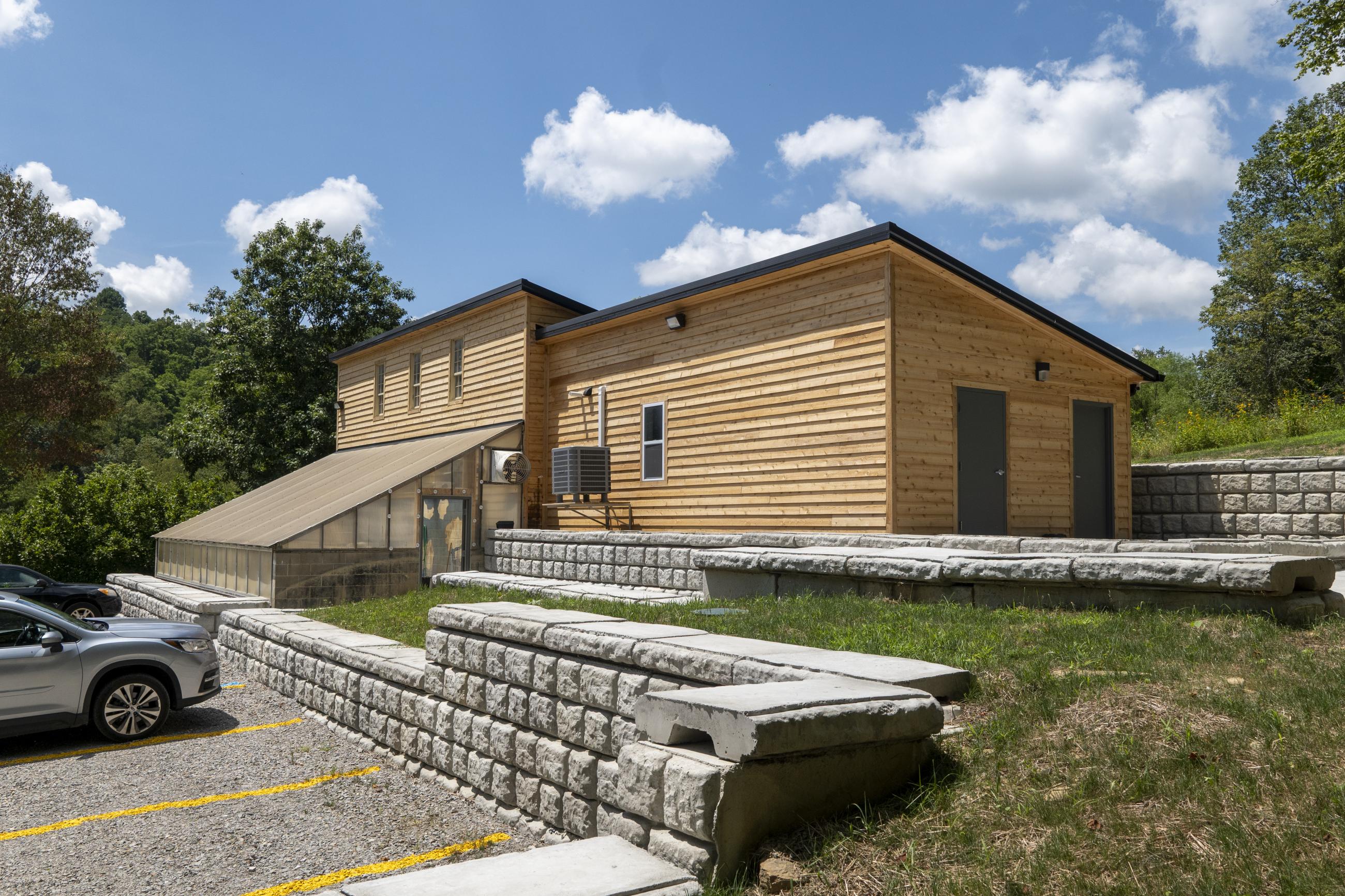
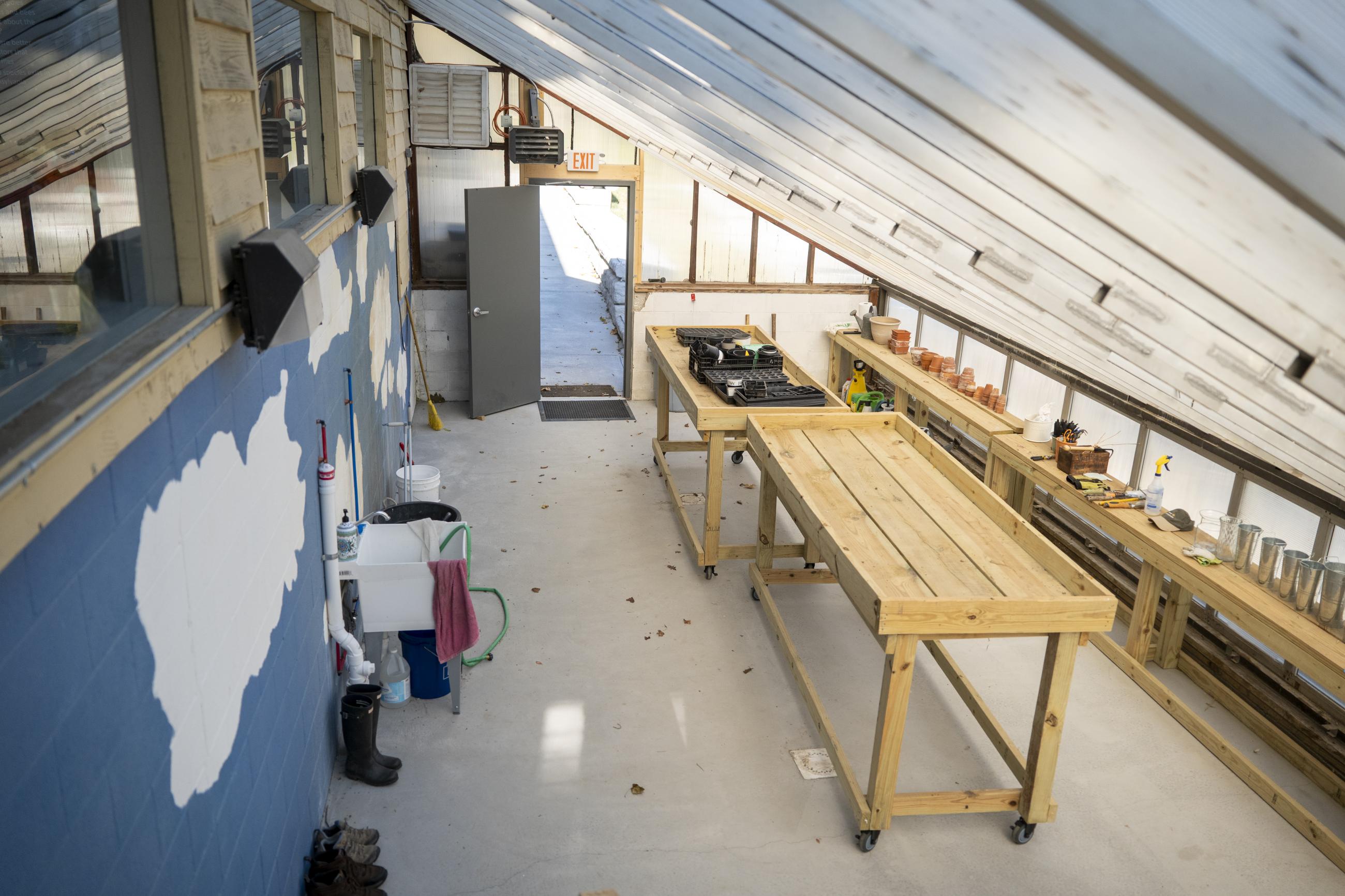
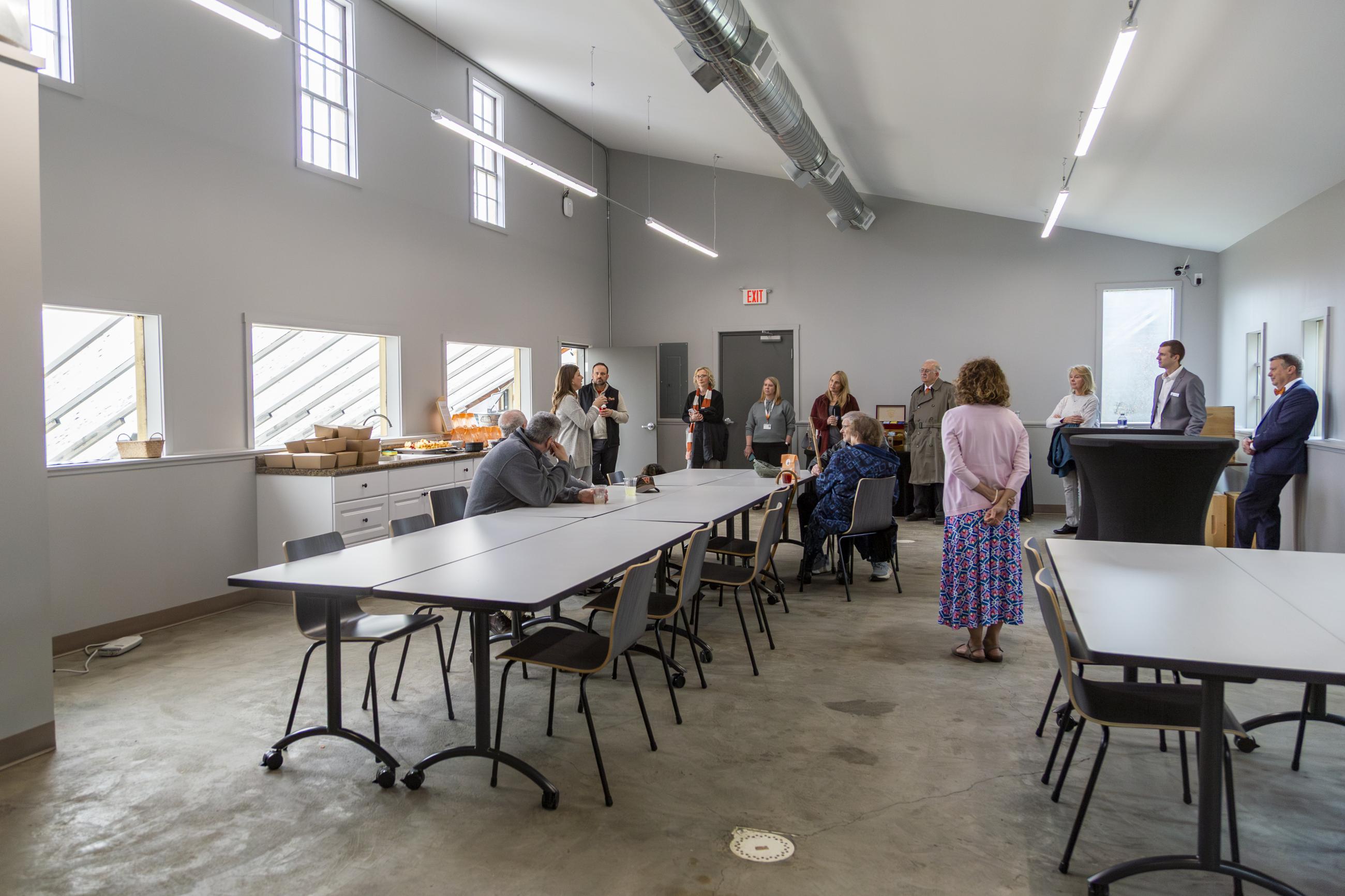
The property includes a well-preserved historic house, log cabin, barn, renovated classroom and greenhouse space on 52 acres, and now offers the foundation for an Ecology Center that advances the University’s mission by unifying education enrichment with environmental stewardship and community service.
Where learning takes root
The Ecology Center can serve as a hub for faith-informed environmental leadership and experiential learning. It has the potential to connect:
- academic programs;
- certificate pathways;
- applied research;
- workforce development;
- student formation; and
- community engagement.
The potential: Cultivating knowledge and community
Stewardship education
Hands-on learning modules reinforce sustainability and stewardship values.
Entrepreneurial practice
Student-led projects and an on-campus market provide real-world business, leadership and entrepreneurial experience.
Community outreach
Community education programs aligned with regional workforce needs strengthen the local economy and expand learning opportunities.
Experiential learning: Already in action
The Ecology Center is already serving as a hub for hands-on learning and student engagement through new, special interest classes and student organizations.
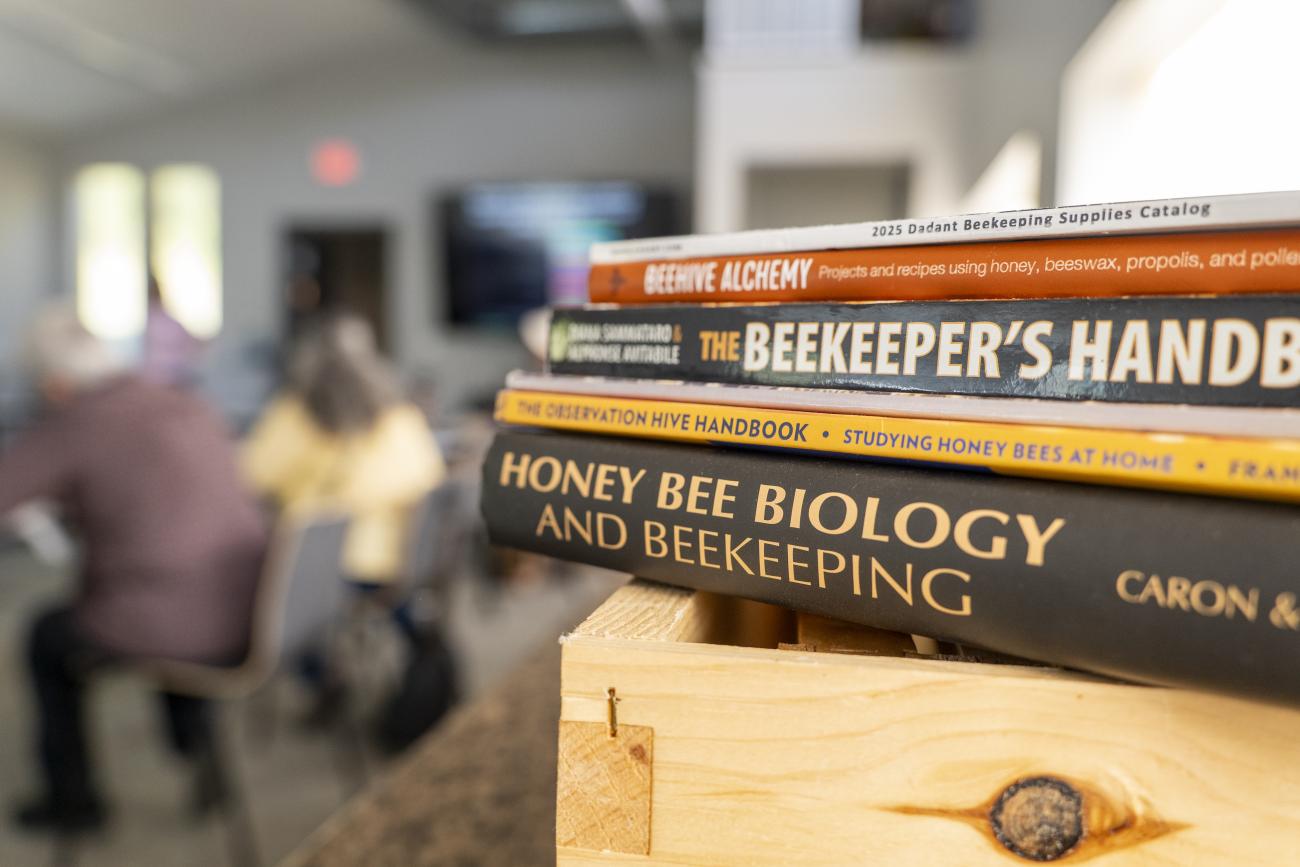
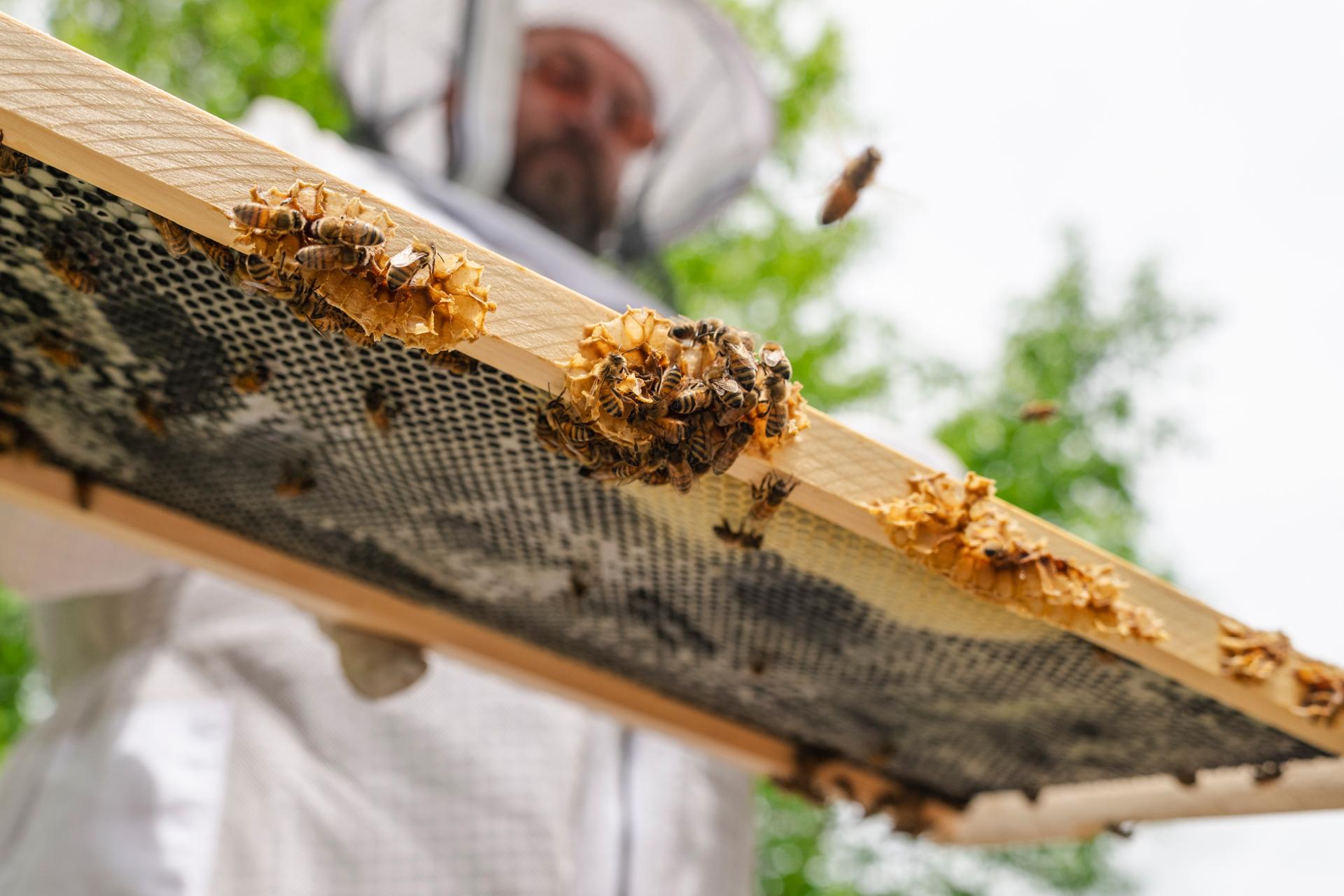
Recent activities have included the University's first Alston property-based course, Bees, Flowers & Society, in which students participated in discussions on the important relationship between plants and pollinators and how to identify each, as well as the impact of bees on agriculture and the corresponding conservation challenges.
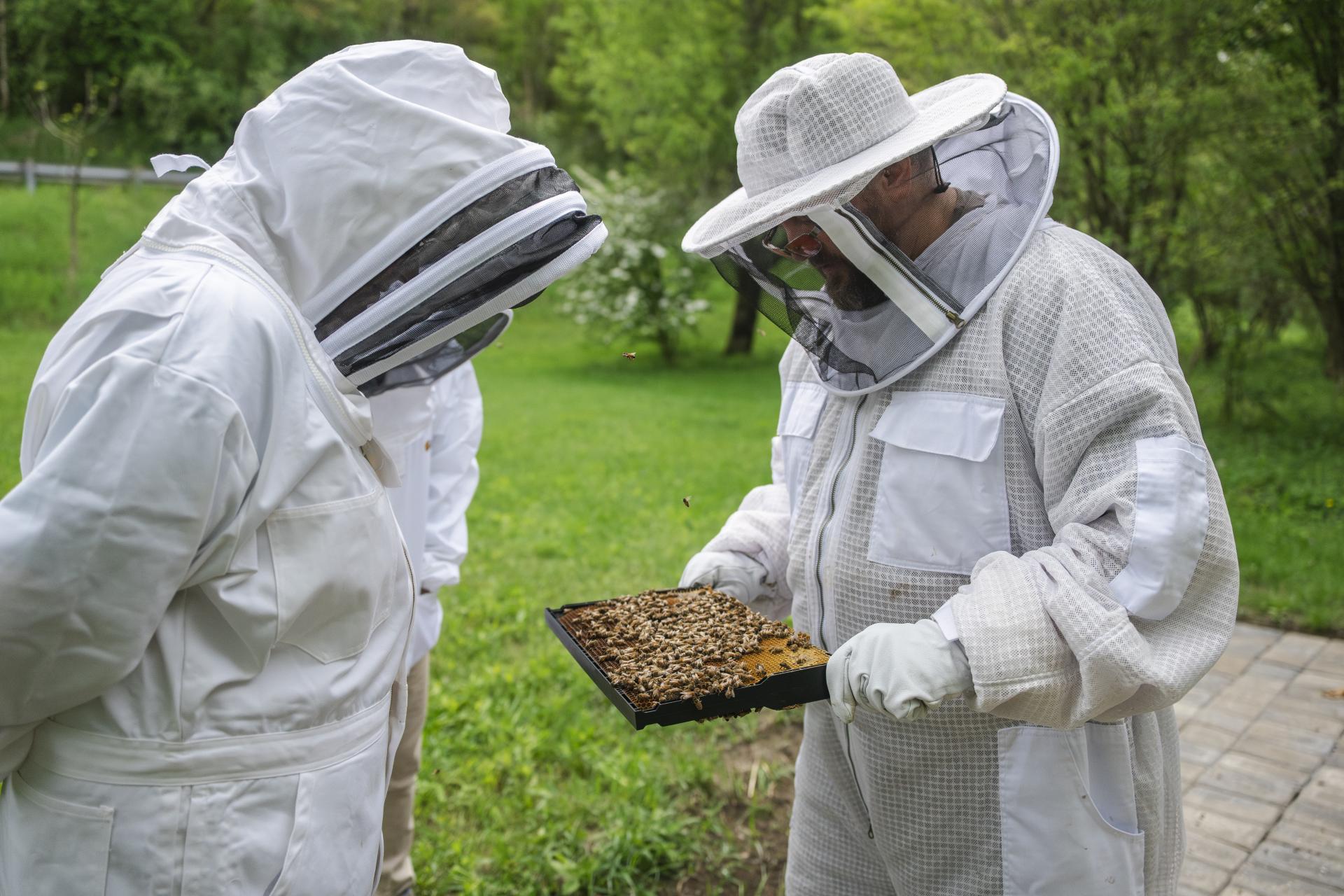
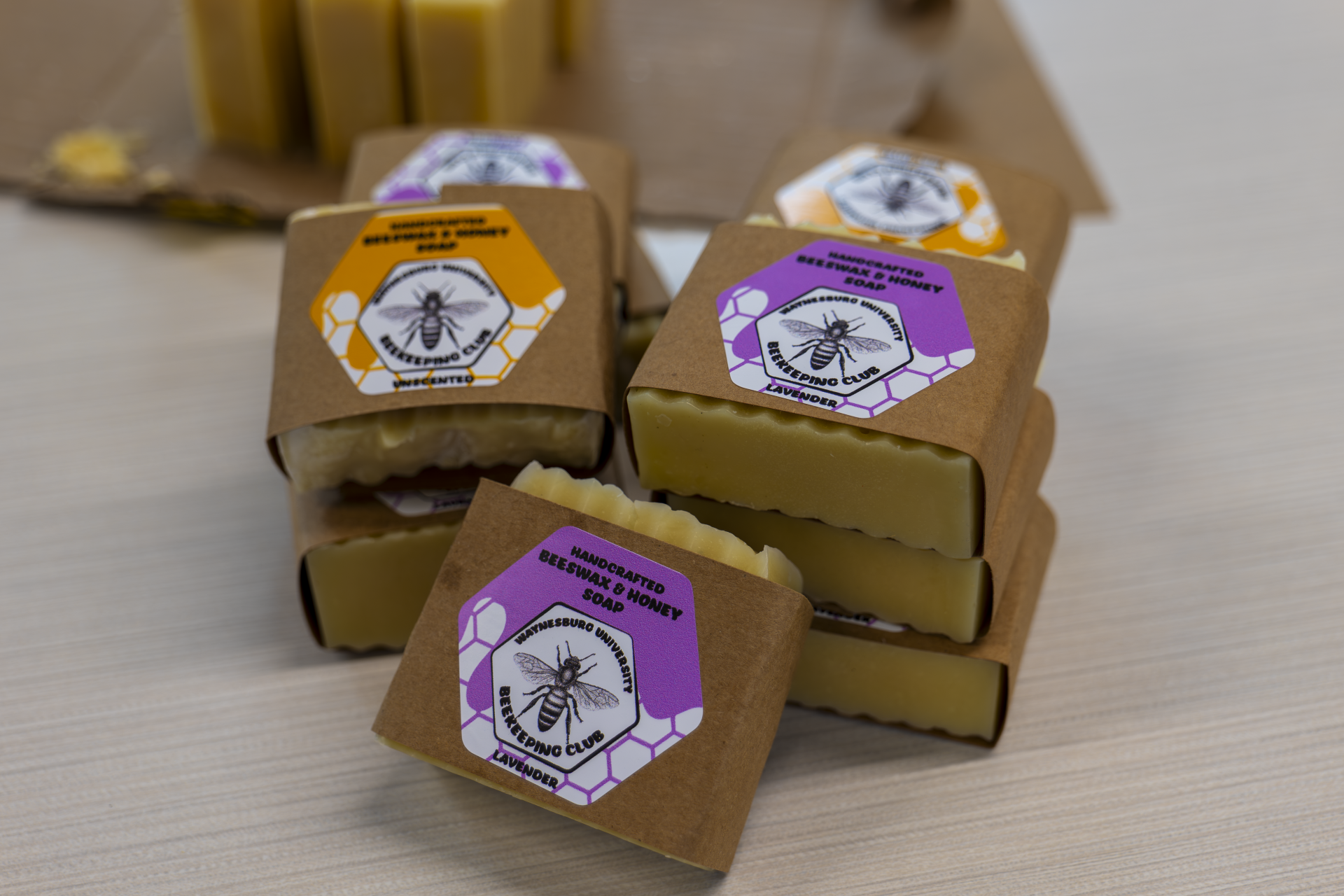
In addition, the new Beekeeping Club, a student group that leads the efforts to manage and generate funds for the campus apiary, is making honeybee-themed products to cover costs of raising bees.
Explore the property
Have questions about the Ecology Center?
Interested in learning more about the Ecology Center, its programs, educational opportunities, or ways to get involved? Contact us to learn more about current initiatives and future plans for this growing resource.