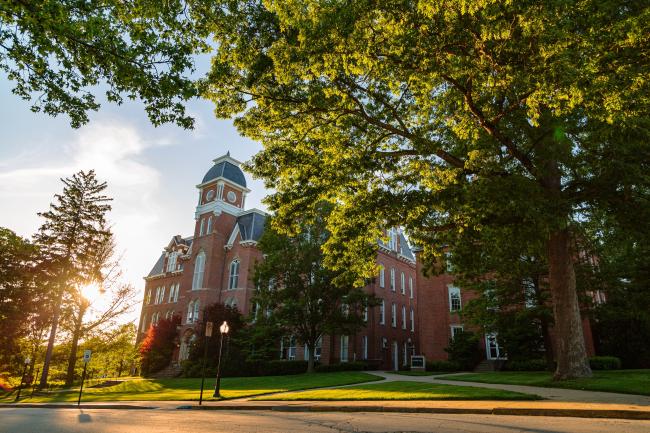
I graduated from Waynesburg in 2003 with a degree in Communications. Good old Buhl Hall. One of the things I loved about Waynesburg was that you could have multiple emphases. I took advantage of that and studied electronic media, journalism and graphic design. All three have come in handy throughout my career.
Waynesburg gave me opportunities to do real work while I was still in school. I shot Friday night football for WTAE, worked on remote productions with WBGN and made connections that led to an internship with "Inside Penguins Hockey." We had access to equipment and people who helped us learn how the business actually worked.
One experience that still sticks with me was shooting Grove City’s R.J. Bowers as he broke the NCAA’s all-divisions career rushing record. That footage aired on ABC’s national college football halftime show. I was still a college student, and something I shot was on national television. That was pretty cool.
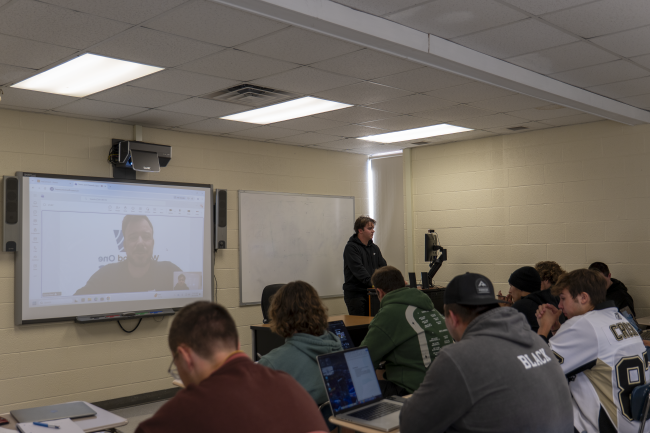
I was fortunate to learn from people like Bill Molzon and Dorothy Curley Tecklenburg, who helped create the PBS television show "Where in the World Is Carmen Sandiego?" Having professors who had worked in the business made a difference. They could tell us what to expect because they had been there themselves.
I also took a class, I believe during my sophomore year, taught by a former television news photographer. He was the person who first got me interested in television news photojournalism. I don’t think I understood at the time how much that class would influence the rest of my life.
Waynesburg helped me grow up, too. Being at a private Christian school, I never felt forced into anything, but the beliefs and character of the faculty came through in how they treated people. There was a good moral compass around us. When you’re that age and trying to figure things out, it helps to have adults showing you how it’s done.
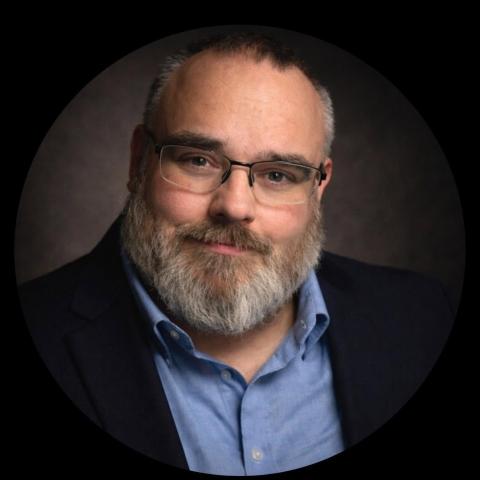
Since graduating, I’ve covered every U.S. president and been involved in covering many of the country’s major news stories in some fashion through local news. Today, I’m a documentary photojournalist and editor at WRAL-TV in Raleigh, North Carolina. My partner, investigative reporter and producer Cristin Severance, and I make up a two-person documentary team. We’re the only full-time documentary unit in local television news in the country.
It’s a job that gives us time to stay with a story, get to know people and ask more questions. We can spend months on a documentary, and I’m fortunate to work for a company that still supports that kind of journalism.
Over my career, I’ve won 50 Emmy Awards, along with Edward R. Murrow Awards, National Headliner Awards, Investigative Reporters and Editors Awards, and multiple other regional awards. In 2026, Cristin and I received the AACR June L. Biedler Prize for Cancer Journalism for our documentary "Diagnosis Young: The New Face of Cancer in NC."
I’m proud of those awards. But some of the work I’ve been part of has also helped get laws drafted and passed in Maryland and North Carolina that made life better for people. Seeing a story lead to something being fixed, or knowing someone’s family will have a better experience because of the reporting, means a lot.
My time at Waynesburg was memorable, and I’m still in contact with professors and friends from school more than 20 years later. I’m glad those relationships have lasted well beyond our time on campus.
My biggest advice to current and future students is to take advantage of what’s available to you. Waynesburg gives you opportunities to do big things early. Get involved. Try different jobs. Get as much experience as you can while you have people around you who can help you learn.
The television business is very different from when I graduated in 2003. You’ll have to keep learning, no matter how long you’ve been doing it. I still do.
And know that no matter how much you’ve done in college, it feels different when you get out there. The training wheels are off. The journalism you did in school mattered, and the work you do next could change someone’s life.